Understanding Trauma and Stressor-Related Disorders
Trauma- and Stressor-Related Disorders are mental health conditions that develop after experiencing or witnessing traumatic or stressful events. These events can include accidents, violence, natural disasters, or abuse. These conditions are medical illnesses, not signs of personal weakness, and with treatment and support, people can recover and lead meaningful lives.
What Are Trauma and Stressor-Related Disorders?
These disorders occur when the brain and body react to extreme stress or trauma. They include:
- Post-Traumatic Stress Disorder (PTSD)
- Acute Stress Disorder
- Adjustment Disorders
- Reactive Attachment Disorder
- Disinhibited Social Engagement Disorder

Common Symptoms
Post-Traumatic Stress Disorder (PTSD)
- Re-experiencing the traumatic event through flashbacks, nightmares, or intrusive thoughts
- Avoidance of reminders of the trauma
- Negative changes in mood or thoughts (guilt, shame, emotional numbness)
- Hyperarousal: being easily startled, irritable, difficulty sleeping, or concentrating
Acute Stress Disorder
- Similar to PTSD but occurs immediately after the trauma and lasts up to 4 weeks
- Anxiety, dissociation, or intrusive memories
Adjustment Disorders
- Emotional or behavioural reactions to a stressful life event (e.g., moving, job loss, illness)
- Symptoms include sadness, worry, irritability, or trouble functioning in daily life
Reactive Attachment Disorder and Disinhibited Social Engagement Disorder
- Usually occur in children exposed to neglect or inconsistent caregiving
- Problems forming healthy emotional bonds with caregivers or strangers
How It Presents?
- Symptoms may appear immediately or weeks to months after the traumatic or stressful event
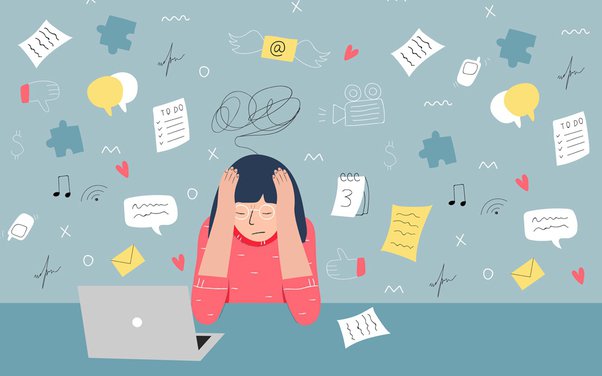
- Daily life, relationships, school, or work may be significantly affected
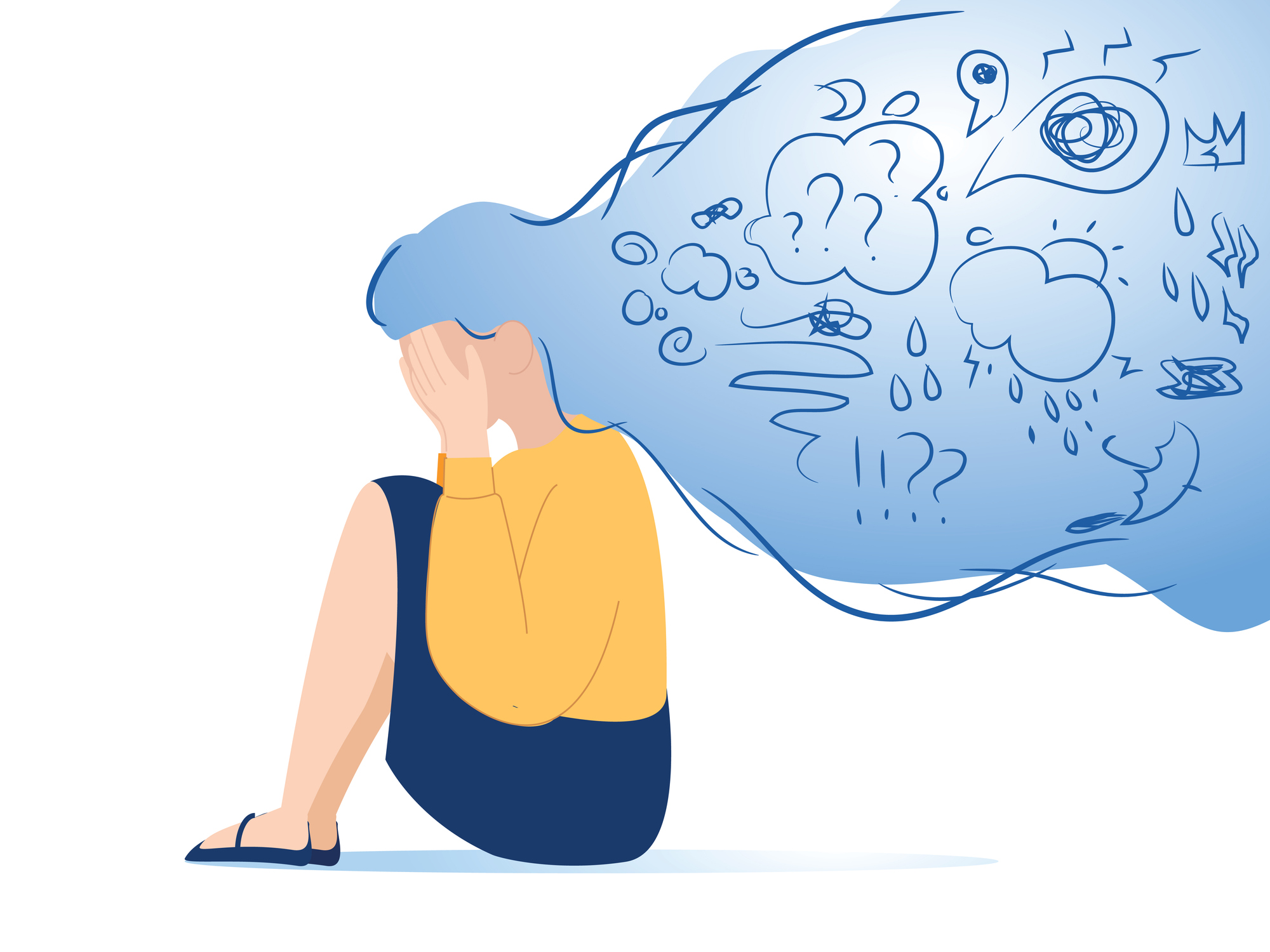
- People may feel hypervigilant, anxious, withdrawn, or emotionally numb
- Some may experience physical symptoms, such as headaches, stomachaches, or sleep problems
Causes and Risk Factors
Trauma- and Stressor-Related Disorders result from biological, psychological, and social factors:
- Traumatic experiences: violence, abuse, accidents, natural disasters, or war
- Brain and body response: changes in stress hormones and brain circuits controlling fear and memory
- Genetic and personal factors: family history of mental health conditions, coping style, and support systems
How They Are Managed
These disorders are treatable, and recovery is possible. Management includes:
Psychological therapies
- Trauma-focused Cognitive Behavioural Therapy (CBT)
- Eye Movement Desensitization and Reprocessing (EMDR) for PTSD
- Supportive therapy and counselling for adjustment disorders
Medications
- Antidepressants (SSRIs) for PTSD, anxiety, or depression
- Short-term use of anti-anxiety medications if necessary
Lifestyle and Support
- Maintaining a safe environment, healthy sleep, exercise, and social connections
- Support from family, friends, and peer groups
Multidisciplinary Approach
- Psychiatrists, psychologists, social workers, and other professionals working together
When to Seek Help
Seek professional help if:
- You experience flashbacks, nightmares, or intrusive memories
- You avoid situations, people, or places that remind you of the trauma
- You feel hypervigilant, anxious, or emotionally numb
- Daily functioning, work, school, or relationships are affected
- Thoughts of self-harm or suicide occur
Early intervention improves recovery and quality of life.
Where to Get Help in South Africa
SADAG (South African Depression and Anxiety Group)
- 0800 21 22 23 (24 hrs)
- WhatsApp: 087 163 2030
- www.sadag.org
Lifeline
- 0861 322 322
Emergency Services
- Call 112 (from any cellphone) or go to the nearest hospital emergency unit