Understanding Depression
What is Depression?
Depression (also called major depressive disorder) is a common and serious medical condition that affects how you feel, think, and act. It’s more than just feeling sad or ‘down’ for a few days — it involves ongoing low mood and loss of interest that last for weeks or longer and interfere with daily life
Depression is caused by a combination of biological, psychological, and social factors, such as:
- Changes in brain chemistry and hormone levels
- Family history of depression
- Stressful life events, trauma, or loss
- Certain medical conditions
- Use of some medications or substances

How Depression Presents
People experience depression differently. Common symptoms include:
Emotional symptoms
- Persistent sadness, tearfulness, or emptiness
- Loss of interest or pleasure
- Feelings of guilt, worthlessness, or hopelessness
Thinking and concentration
- Trouble focusing or remembering things
- Negative or self-critical thoughts
Physical symptoms
- Changes in appetite or weight
- Sleeping too much or too little
- Fatigue or low energy
- Slowed movement or speech
Severe symptoms
- Thoughts of death or suicide (seek immediate help — call SADAG Helpline 0800 21 22 23 or Lifeline 0861 322 322)
What is Depression?
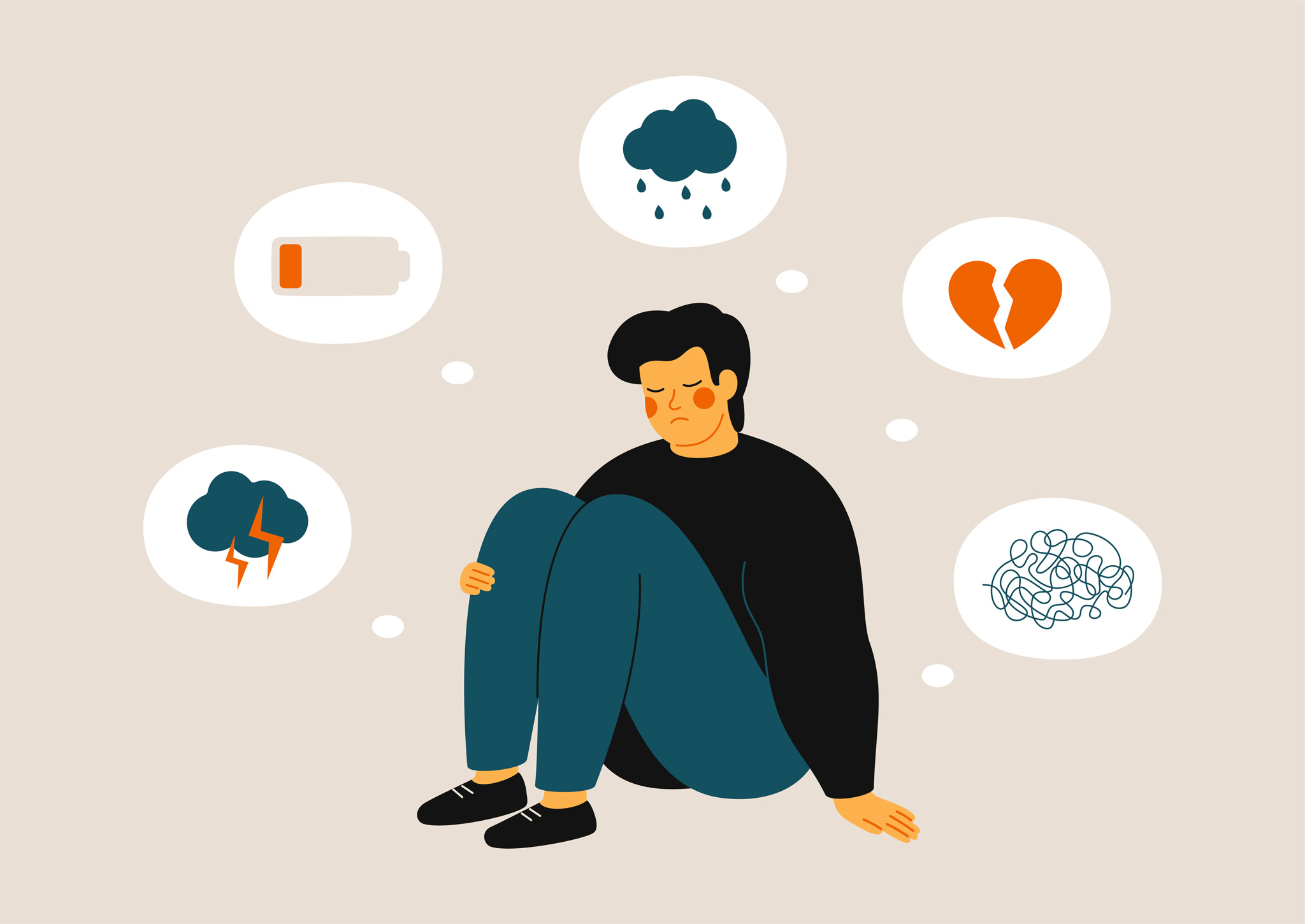
Depression arises from interactions between brain chemistry, hormones, genetics, and life
stress. These biological changes affect mood, sleep, energy, and motivation. Life circumstances — such as poverty, relationship problems, or trauma — also play a major role, especially in South Africa where stress and inequality can affect mental well-being.
How Depression is Treated
The good news is that depression is treatable, and most people recover with the right care and support.
Psychological therapies
CBT, interpersonal therapy, counselling, and support groups can help change thought patterns and build coping skills.
Medications
Antidepressants (such as SSRIs or SNRIs) help correct chemical imbalances in the brain.
Lifestyle changes
Regular exercise, good sleep, balanced nutrition, avoiding alcohol/drugs, and social support are key
Specialist treatments
In severe cases, Electroconvulsive Therapy (ECT) or Transcranial Magnetic Stimulation (TMS) may be used under medical care.
When to Seek Help
Seek help if you feel sad, empty, or hopeless most of the time; lose interest in activities; experience sleep or appetite changes; or have thoughts of self-harm.
Depression is not a sign of weakness — it’s a medical condition. With the right treatment and support, recovery is possible
Where to Get Help in South Africa
SADAG (South African Depression and Anxiety Group)
- 0800 21 22 23 (24 hrs)
- WhatsApp: 087 163 2030
- www.sadag.org
Lifeline South Africa
- 0861 322 322
Suicide Helpline
- 0800 567 567
Emergency
- Call 112 (from any cellphone) or go to the nearest hospital emergency unit