Understanding Personality Disorders
Personality disorders are mental health conditions in which a person’s thinking, feeling, and behaviour patterns are markedly different from cultural expectations. These patterns are long-standing, inflexible, and affect relationships, work, and daily life.
Personality disorders are medical conditions, not personal failings. With proper support and treatment, individuals can improve their functioning and quality of life.
What Are Personality Disorders?
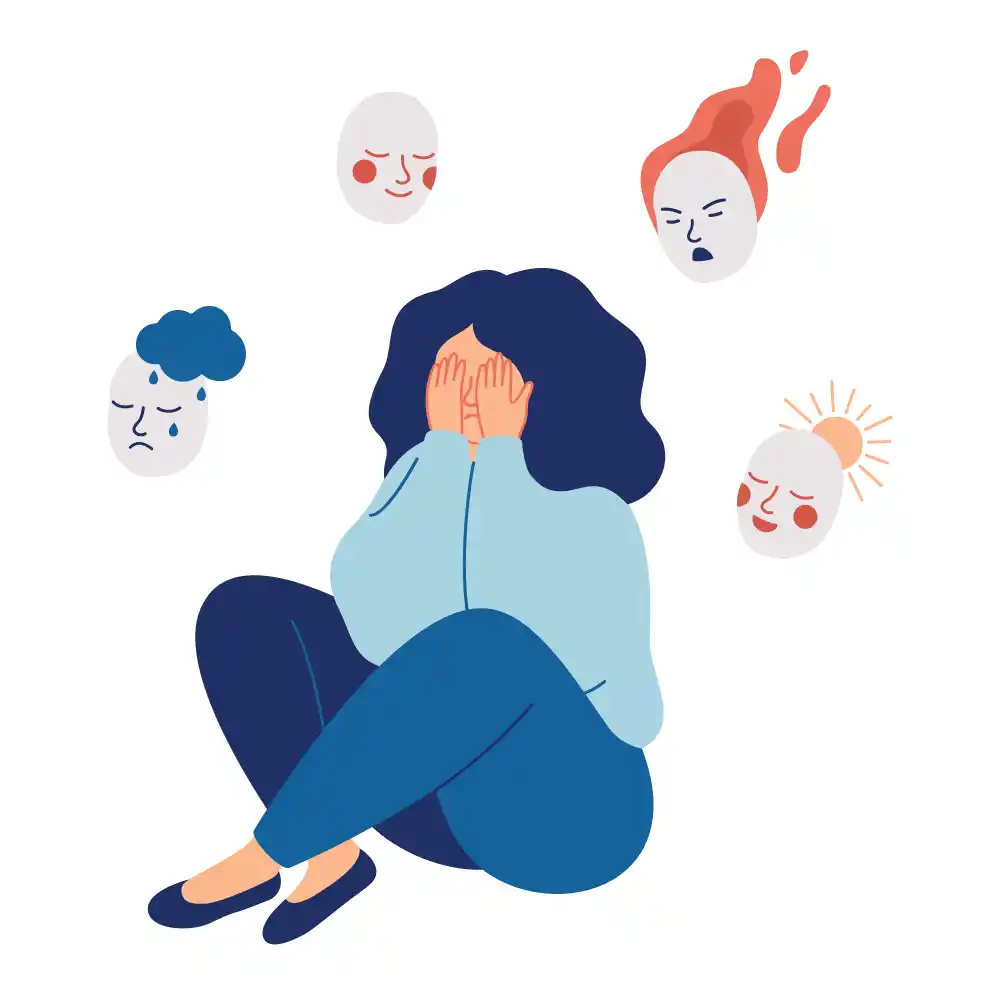
Personality disorders involve enduring patterns of behaviour and inner experiences that affect how a person perceives themselves, relates to others, and responds to stress.
According to DSM-5-TR, personality disorders are grouped into three clusters:
Cluster A (Odd or Eccentric)
Paranoid Personality Disorder
- Distrust and suspicion of others
- Belief that others have hidden motives or are trying to harm them
- Reluctance to confide in others
- Difficulty forgiving perceived insults or slights
Schizoid Personality Disorder
- Limited emotional expression
- Preference for solitary activities
- Little interest in relationships or social interactions
- Appears indifferent to praise or criticism
Schizotypal Personality Disorder
- Odd thinking, beliefs, or speech (magical thinking, unusual perceptual experiences)
- Social anxiety and discomfort in close relationships
- Behaviour or appearance may seem eccentric
- May experience brief psychotic-like episodes under stress
Cluster B (Dramatic, Emotional, or Erratic)
Antisocial Personality Disorder
- Disregard for others’ rights and societal rules
- Deceitfulness, lying, or manipulative behaviour
- Impulsivity, irritability, and aggressiveness
- Lack of remorse after harming others
- Often noticed in adolescence or early adulthood
Borderline Personality Disorder
- Intense, unstable emotions and mood swings
- Unstable self-image and relationships
- Fear of abandonment, often leading to frantic efforts to avoid it
- Impulsive behaviours (spending, substance use, risky activities)
- Self-harm or suicidal behaviours may occur
Histrionic Personality Disorder
- Excessive attention-seeking behaviour
- Strong desire to be the centre of attention
- Inappropriate or exaggerated emotional expressions
- May be easily influenced by others or situations
Narcissistic Personality Disorder
- Grandiose sense of self-importance
- Need for admiration and validation
- Lack of empathy for others
- May exploit others for personal gain
- Often sensitive to criticism or perceived slights
Cluster C (Anxious or Fearful)
Avoidant Personality Disorder
- Social inhibition and extreme shyness
- Fear of criticism, rejection, or embarrassment
- Avoidance of social or occupational activities
- Desire for social connection but fear of being judged
Dependent Personality Disorder
- Excessive need for care and support from others
- Difficulty making decisions independently
- Fear of abandonment, leading to submissive behaviour
- May tolerate mistreatment to maintain relationships
Obsessive-Compulsive Personality Disorder (OCPD):
- Preoccupation with order, rules, perfection, and control
- Inflexibility and difficulty delegating tasks
- High standards for self and others
- Distinct from OCD: no true intrusive obsessions or compulsions, more about personality style

How Personality Disorders Present?
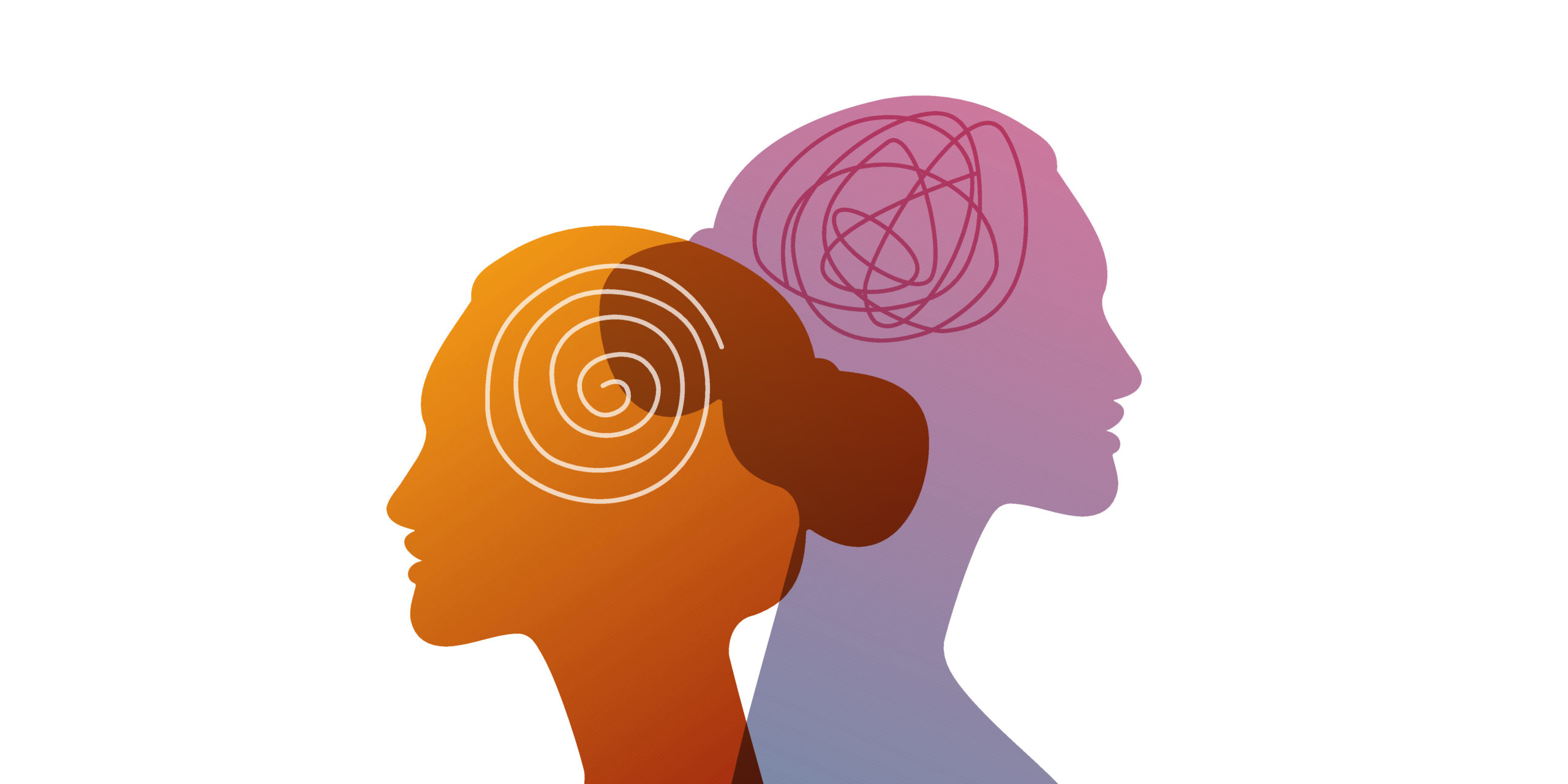
- Usually begin in adolescence or early adulthood
- Patterns are stable over time and affect multiple areas of life
- Individuals often struggle with relationships, employment, or social functioning
- Co-occurring conditions like depression, anxiety, or substance use are common
Causes and Risk Factors
Personality disorders arise from a combination of genetic, biological, and environmental factors:
- Genetic predisposition: Family history of personality disorders or other mental health conditions
- Brain function differences: Affect emotional regulation, impulse control, and social behaviour
- Childhood experiences: Trauma, neglect, or inconsistent parenting may contribute
How They Are Managed
Management is gradual but effective with support:
Psychotherapy
- Cognitive Behavioural Therapy (CBT), Dialectical Behaviour Therapy (DBT), or schema therapy
- Focuses on improving coping skills, emotional regulation, interpersonal relationships, and self-image
Medications
- Cognitive Behavioural Therapy (CBT), Dialectical Behaviour Therapy (DBT), or schema therapy
- Focuses on improving coping skills, emotional regulation, interpersonal relationships, and self-image
Lifestyle and Support
- Cognitive Behavioural Therapy (CBT), Dialectical Behaviour Therapy (DBT), or schema therapy
- Focuses on improving coping skills, emotional regulation, interpersonal relationships, and self-image
Multidisciplinary Approach
- Psychiatrists, psychologists, social workers, and therapists work together for comprehensive care
When to Seek Help
Seek professional help if:
- Persistent patterns of behaviour negatively affect relationships, work, or daily life
- Intense emotional reactions, impulsivity, or conflicts occur regularly
- Co-occurring depression, anxiety, or substance use develop
- Safety concerns arise, including self-harm or aggressive behaviour
Early support and therapy improve long-term outcomes.
Where to Get Help in South Africa
SADAG (South African Depression and Anxiety Group)
- 0800 21 22 23 (24 hrs)
- WhatsApp: 087 163 2030
- www.sadag.org
Lifeline
- 0861 322 322
Emergency Services
- Call 112 (from any cellphone) or go to the nearest hospital emergency unit