Understanding Neurodevelopmental Disorders
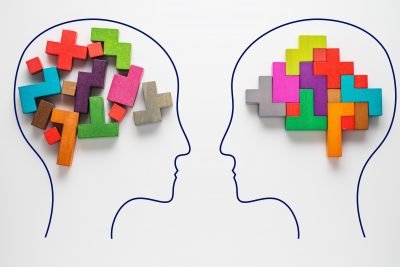
Neurodevelopmental disorders are conditions that affect brain development, leading to differences in thinking, learning, communication, behaviour, and social interaction. These conditions usually begin in childhood, though they can continue into adolescence and adulthood.
These are medical conditions, not the result of bad parenting or personal weakness. Early recognition and support can help individuals thrive.
What Are Neurodevelopmental Disorders?
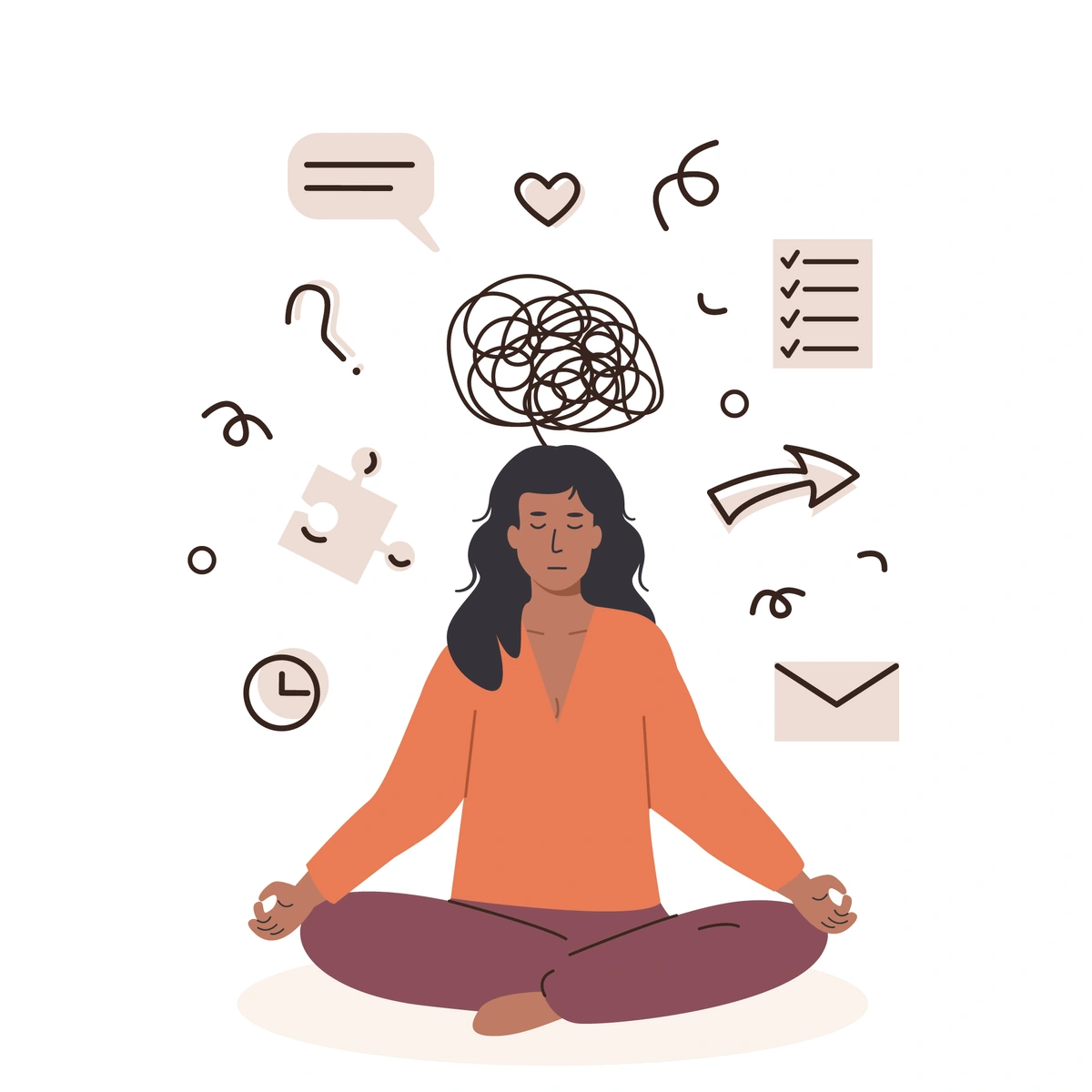
Neurodevelopmental disorders are a group of conditions in which the brain develops differently, affecting:
- Learning and intellectual abilities
- Attention and focus
- Communication and language
- Social interaction and behaviour
- Motor skills and coordination
Some people may have more than one disorder at the same time.
Common Neurodevelopmental Disorders
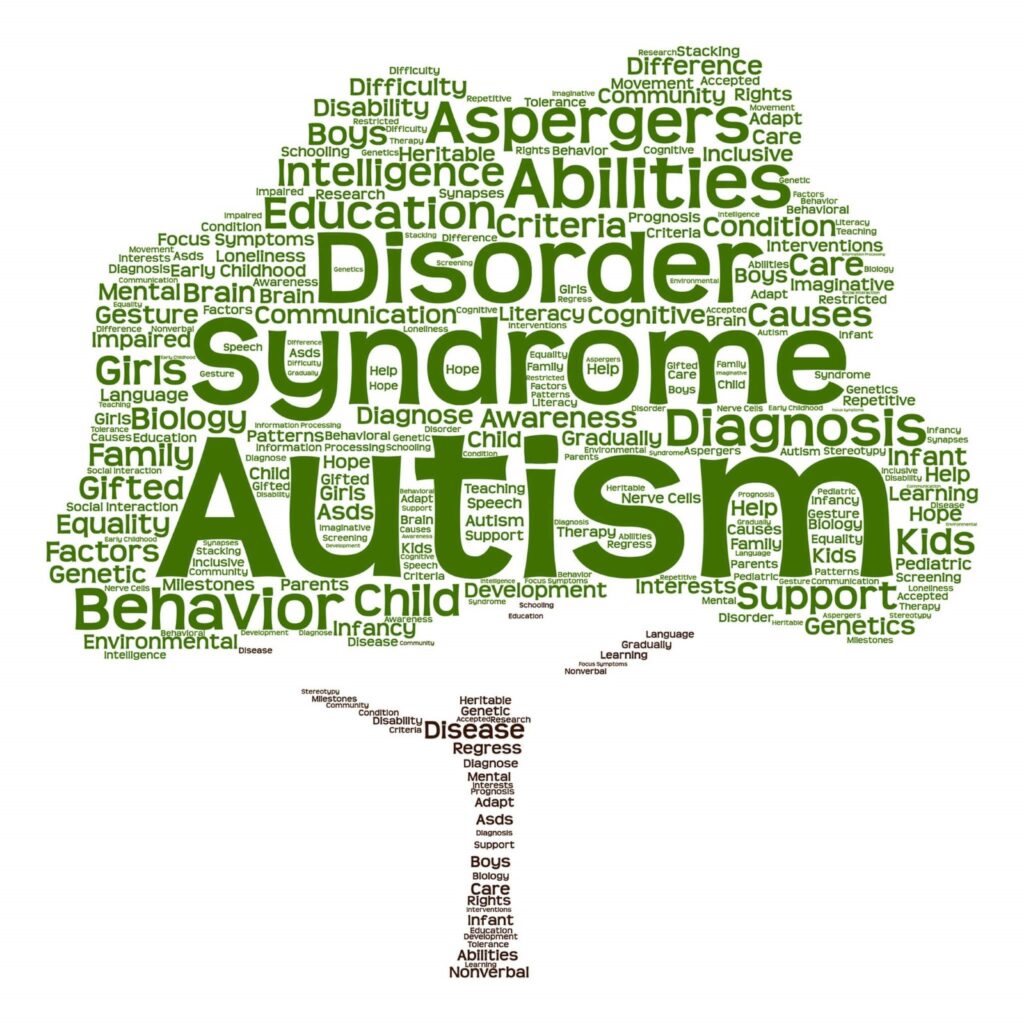
Autism Spectrum Disorder (ASD)
- Difficulties with social communication and interaction
- Restricted or repetitive behaviours and interests
- Sensory sensitivities (e.g., to sound, touch, or light)
- Symptoms usually appear before age 3
Attention-Deficit/Hyperactivity Disorder (ADHD)
- Difficulties with social communication and interaction
- Restricted or repetitive behaviours and interests
- Sensory sensitivities (e.g., to sound, touch, or light)
- Symptoms usually appear before age 3
Intellectual Disability (ID)
- Limitations in intellectual functioning (learning, reasoning, problem-solving)
- Difficulties with daily life skills (self-care, communication, social skills)
- Symptoms appear during childhood
Specific Learning Disorders
- Difficulty with reading (dyslexia), writing (dysgraphia), or mathematics (dyscalculia)
- Not explained by lack of opportunity or teaching
Communication Disorders
- Language disorder: difficulty understanding or using language
- Speech sound disorder: difficulty pronouncing words correctly
- Social (pragmatic) communication disorder: difficulty with social aspects of language
Motor Disorders
- Developmental coordination disorder: problems with motor skills (clumsiness, poor handwriting)
- Stereotypic movement disorder: repetitive, purposeless movements (hand flapping, rocking)
- Tourette’s disorder: motor and vocal tics
How It Presents?
- Symptoms usually appear in early childhood but may only become obvious when demands increase (e.g., school)
- Can affect learning, behaviour, and social interactions
- Severity varies from mild to severe
- Many individuals have co-occurring conditions (e.g., ADHD and learning disorders)
Causes and Risk Factors
Neurodevelopmental disorders result from a combination of genetic, biological, and environmental factors:
- Differences in brain development or structure
- Genetic factors or family history
- Premature birth, low birth weight, or complications during pregnancy
- Exposure to toxins or infections during pregnancy
How They Are Managed
These disorders are treatable, and recovery is possible. Management includes:
Behavioural and psychological therapies
- Applied Behaviour Analysis (ABA) for autism
- Cognitive Behavioural Therapy (CBT) for anxiety or ADHD-related challenges
- Social skills training and support
Educational support
- Individualized learning plans, tutoring, or special education services
Medications
- May be used for specific symptoms (e.g., ADHD, irritability, anxiety, or mood problems)
Family support and training
- Parents and caregivers learn strategies to manage behaviour, communication, and daily life skills
Multidisciplinary Approach
- Psychiatrists, psychologists, occupational therapists, speech therapists, and educators work together
When to Seek Help
-
Seek professional help if your child or family member:
- Struggles with learning, attention, communication, or social interaction
- Has repetitive behaviours or difficulty with daily life skills
- Experiences behavioural challenges affecting school, work, or home
Early intervention improves outcomes and quality of life.
Where to Get Help in South Africa
SADAG (South African Depression and Anxiety Group)
- 0800 21 22 23 (24 hrs)
- WhatsApp: 087 163 2030
- www.sadag.org
Lifeline
- 0861 322 322
Paediatric or psychiatric services
- Paediatric or psychiatric services at local hospitals or private practices