Understanding Bipolar and Related Disorders
Bipolar and related disorders are mental health conditions that cause significant changes in mood, energy, activity levels, and daily functioning. People with these disorders experience episodes of mania or hypomania (elevated mood or energy) and often depression (low mood, low energy). These mood changes are more intense and prolonged than normal ups and downs
What is Bipolar Disorder?
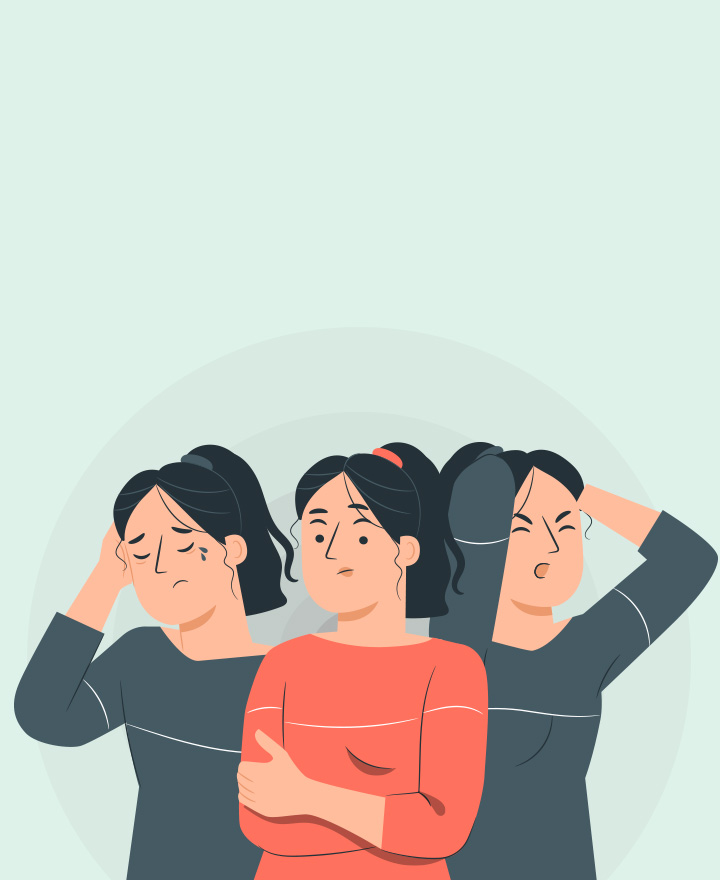
Bipolar disorder is a medical condition that affects the brain’s regulation of mood and energy. It can lead to extreme emotional states that impact thinking, behaviour, and daily functioning. There are several types, each defined by the pattern and severity of mood episodes

Types of Episodes and Symptoms
Depressive Episode
- Persistent sadness, emptiness, or hopelessness
- Loss of interest or pleasure
- Changes in appetite or weight
- Sleep problems (too little or too much)
- Fatigue or low energy
- Difficulty concentrating or making decisions
- Feelings of worthlessness or guilt
- Thoughts of death or suicide
Manic Episode
- Abnormally elevated or irritable mood lasting at least 1 week
- Increased energy, activity, or restlessness
- Inflated self-esteem or grandiosity
- Decreased need for sleep
- Rapid speech or racing thoughts
- Risky behaviour (spending sprees, sexual indiscretions, reckless driving)
- Easily distracted
Hypomanic Episode
- Similar to mania but less severe and does not cause major problems at work, school, or social life
- Often lasts at least 4 days

How It Presents?
Mood changes can come on gradually or suddenly. Some people experience clear cycles of depression and mania; others may have rapid cycling with four or more mood episodes per year. Sleep patterns and energy levels fluctuate significantly. Relationships, work, and daily routines may be affected. Impulsive or risky behaviours during manic episodes can have lasting consequences.
Causes and Risk Factors
Bipolar disorder is caused by a combination of:
- Biological factors: Changes in brain structure, function, and neurotransmitters (serotonin, dopamine)
- Genetic factors: Family history increases risk
- Environmental factors: Stress, trauma, or major life events can trigger episodes It is not caused by personal weakness or character flaws.
How They Are Managed
Bipolar disorder is treatable, and most people can live fulfilling lives with the right care.
Management usually includes:
Medications
- Mood stabilizers (lithium, valproate), antipsychotics for mania or mixed episodes,
antidepressants cautiously during depressive episodes
Psychotherapy
- Cognitive Behavioural Therapy (CBT), psychoeducation, family therapy
Lifestyle strategies
- Regular sleep, routines, avoiding alcohol and drugs, stress management,
exercise, social support
Hospitalization
- Sometimes required for severe mania, depression, or suicidal risk
Long-term management
- Ongoing treatment and monitoring are essential to prevent relapses
When to Seek Help
Seek professional help if you experience extreme mood swings or unusual changes in energy
and behaviour, difficulty functioning at work, school, or in relationships, or thoughts of self-harm or suicide. Early intervention and treatment improve outcomes.
Where to Get Help in South Africa
SADAG (South African Depression and Anxiety Group)
- 0800 21 22 23 (24 hrs)
- WhatsApp: 087 163 2030
- www.sadag.org
Lifeline
- 0861 322 322
Emergency Services
- Call 112 (from any cellphone) or go to the nearest hospital emergency unit