Understanding Neurocognitive Disorders
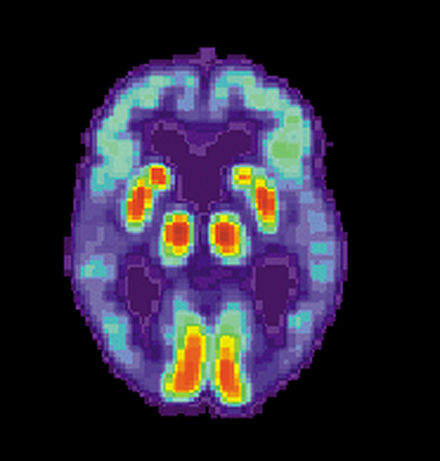
Neurocognitive disorders are medical conditions that involve a decline in cognitive functions such as memory, attention, language, problem-solving, and thinking. These changes are beyond normal aging and can affect daily life, independence, and relationships.
Neurocognitive disorders are medical conditions, not a normal part of getting older. With early recognition and proper care, symptoms can be managed, and quality of life can be improved.
What Are Neurocognitive Disorders?
According to DSM-5-TR, neurocognitive disorders are divided into:
- Delirium: A sudden, often temporary decline in attention and awareness, usually due to illness, medication, or medical complications
- Mild Neurocognitive Disorder: Slight but noticeable decline in cognitive function that does not interfere significantly with independence
- Major Neurocognitive Disorder (Dementia): Significant cognitive decline that interferes with independence in daily activities
These disorders can be caused by various medical conditions, including:
- Alzheimer’s disease
- Vascular disease (stroke-related)
- Parkinson’s disease
- Huntington’s disease
- Traumatic brain injury
- Infections or other medical conditions affecting the brain
Common Symptoms
Cognitive Symptoms
- Memory loss, especially recent events
- Difficulty concentrating, planning, or making decisions
- Problems with language (finding words, understanding speech)
- Disorientation to time or place
- Impaired judgment or problem-solving
Behavioural and Emotional Symptoms
- Mood changes (depression, irritability, anxiety)
- Withdrawal from social activities
- Changes in personality or behaviour
- Confusion, especially at night (sundowning)
Delirium-specific Symptoms
- Mood changes (depression, irritability, anxiety)
- Withdrawal from social activities
- Changes in personality or behaviour
- Confusion, especially at night (sundowning)
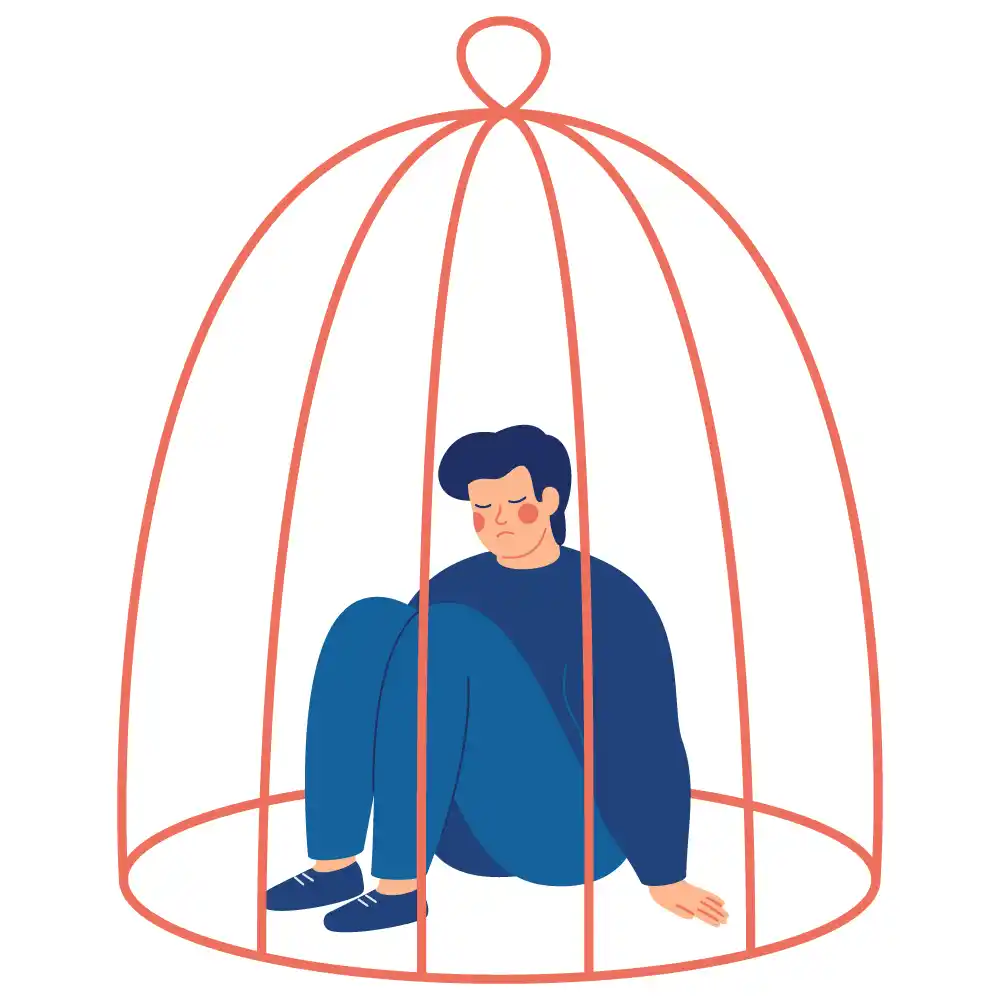

How Neurocognitive Disorders Present?
- Symptoms may develop gradually (as in Alzheimer’s disease) or suddenly (as in delirium)
- Daily life, independence, and work may be affected
- Individuals may struggle with managing finances, medications, cooking, or self-care
- Family members often notice the earliest changes in memory, mood, or behaviour
Causes and Risk Factors
Neurocognitive disorders result from damage to brain cells or changes in brain structure and function. Factors include:
- Age: Risk increases with aging
- Genetics: Family history of dementia or other neurocognitive disorders
- Medical conditions: Stroke, diabetes, hypertension, Parkinson’s disease
- Trauma or injury: Head injuries or repeated concussions
- Lifestyle factors: Smoking, alcohol use, poor diet, or lack of physical/cognitive activity
How They Are Managed
While some neurocognitive disorders are progressive, management can improve function and quality of life:
Medical Treatment
- Medications may help manage symptoms, such as memory loss, agitation, or mood changes
- Treating underlying medical conditions that contribute to cognitive decline
Psychological and Cognitive Therapies
- Cognitive stimulation therapy
- Reminiscence therapy
- Occupational therapy to maintain independence
Lifestyle and Support
- Healthy diet, regular exercise, and mental stimulation
- Structured routines and memory aids (calendars, reminders)
- Support from family, caregivers, or community services
Safety and Environment
- Adjusting the home to reduce risk of falls or accidents
- Supervision if daily tasks are compromised
When to Seek Help
-
Seek professional help if:
- Memory problems interfere with daily life
- Confusion, disorientation, or sudden changes in alertness occur
- Behavioural or mood changes are noticeable and persistent
- Safety at home or during daily activities is at risk
Early assessment improves outcomes and allows for timely planning and support.
Where to Get Help in South Africa
SADAG (South African Depression and Anxiety Group)
- 0800 21 22 23 (24 hrs)
- WhatsApp: 087 163 2030
- www.sadag.org
Alzheimer’s South Africa
- 0861 030 033
- alzheimers.org.za
Lifeline
- 0861 322 322
Emergency Services
- Call 112 (from any cellphone) or go to the nearest hospital emergency unit