Understanding Anxiety Disorders
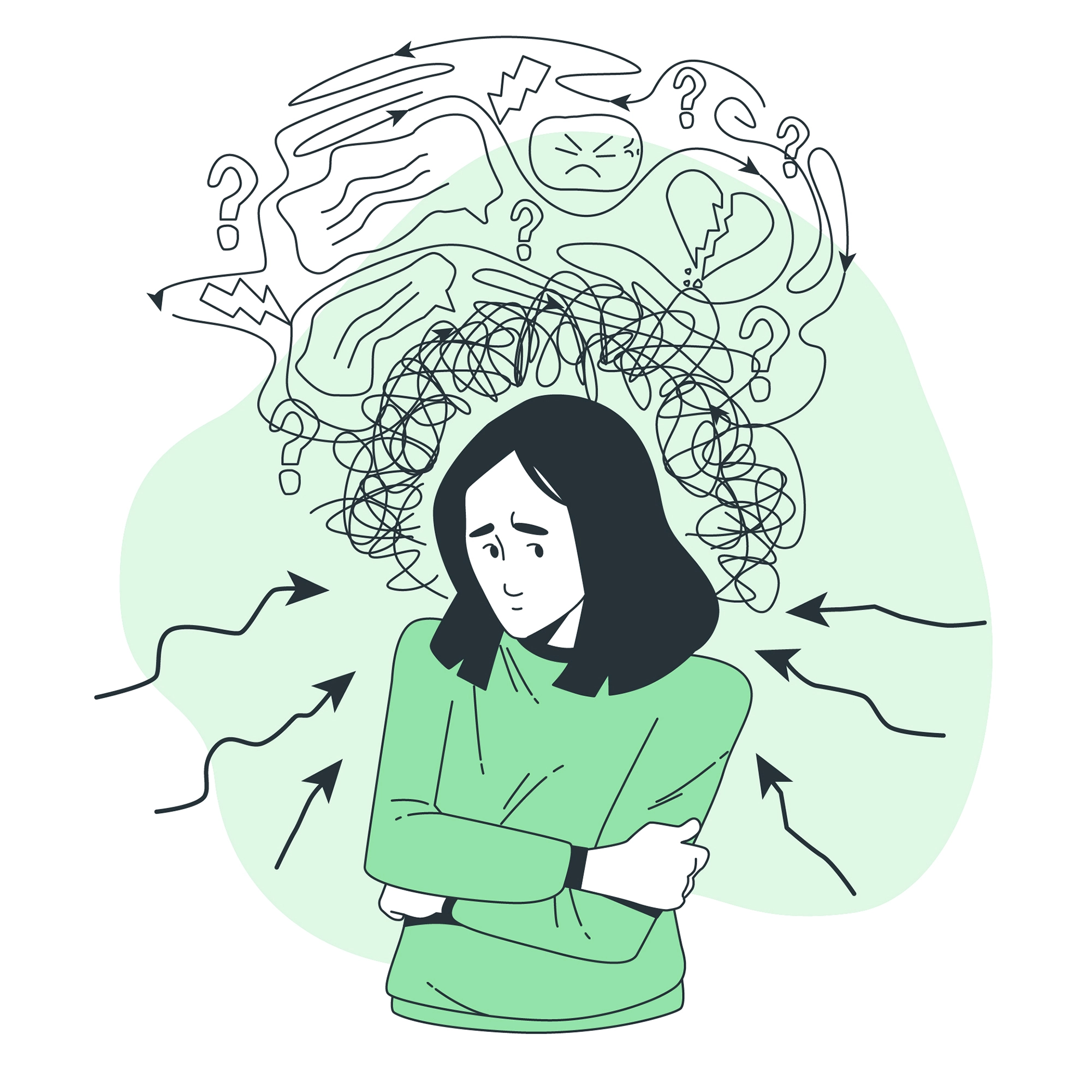
Anxiety disorders are among the most common mental health conditions. They involve excessive fear, worry, or nervousness that is difficult to control and interferes with daily functioning. Feeling anxious from time to time is normal, but when anxiety becomes persistent and overwhelming, it may indicate an anxiety disorder.
How Are Anxiety Disorders Are Managed?
Most anxiety disorders improve with proper care. Common treatments include:
- Psychological therapy: Cognitive Behavioural Therapy (CBT), exposure therapy, mindfulness, and relaxation training
- Medication: Antidepressants or anti-anxiety medications when appropriate
- Lifestyle support: Regular exercise, healthy sleep, reducing caffeine and alcohol, relaxation techniques, and social support
- Support systems: Family, friends, and peer groups can be very helpful
Early treatment improves outcomes and prevents chronic symptoms.
Types of Anxiety Disorders
Generalised Anxiety Disorder (GAD)
- Excessive, uncontrollable worry about everyday matters (work, health, family) for at least six months. Symptoms include restlessness, muscle tension, fatigue, irritability, poor concentration, and disturbed sleep.
Panic Disorder
- Recurrent, unexpected panic attacks — sudden surges of intense fear with symptoms such as heart palpitations, shortness of breath, chest pain, or dizziness. Fear of future attacks often leads to avoidance behaviours.
Agoraphobia
- Fear or avoidance of places or situations where escape might be difficult or help unavailable during panic-like symptoms. Examples: public transport, open spaces, enclosed areas, crowds. Severe cases may lead to being housebound.
Social Anxiety Disorder (Social Phobia)
- Marked fear of social or performance situations where one might be embarrassed, judged, or rejected. Avoidance can affect school, work, and relationships.
Specific Phobias
- Intense, irrational fear of a particular object or situation, such as heights, flying, injections, or animals. Exposure causes immediate anxiety or panic, and avoidance is common.
Separation Anxiety Disorder
- Excessive fear or distress when separated from attachment figures (parents, children, partners). May include nightmares about separation or refusal to be alone.
Selective Mutism
- Usually begins in childhood. The person can speak normally in some settings (e.g., at home) but consistently fails to speak in other situations (e.g., at school). Often linked to social anxiety.
Substance/Medication-Induced Anxiety Disorder
- Significant anxiety or panic directly caused by substance use, intoxication, or withdrawal (e.g., caffeine, alcohol, stimulants). Symptoms typically improve once the substance is stopped under medical supervision.
Anxiety Disorder Due to Another Medical Condition
- Occurs when anxiety or panic is the direct physiological effect of a medical condition, such as thyroid disease, heart rhythm problems, or respiratory conditions.
When to Seek Help
Seek professional help if anxiety is persistent, hard to control, causes panic attacks, or interferes with daily life.
Seek urgent help if anxiety is accompanied by thoughts of self-harm or if panic attacks make breathing difficult.
Where to Get Help in South Africa
SADAG (South African Depression and Anxiety Group)
- 0800 21 22 23 (24 hrs)
- WhatsApp: 087 163 2030
- www.sadag.org
Lifeline
- 0861 322 322
Emergency Services
- Call 112 (from any cellphone) or go to the nearest hospital emergency unit