Understanding Obsessive-Compulsive and Related Disorders
Obsessive-Compulsive and Related Disorders are mental health conditions that involve repetitive thoughts and behaviours that can significantly affect daily life. These are medical conditions, not a result of weakness or poor character. With treatment and support, people can manage symptoms and lead fulfilling lives.
What Are Obsessive-Compulsive and Related Disorders?
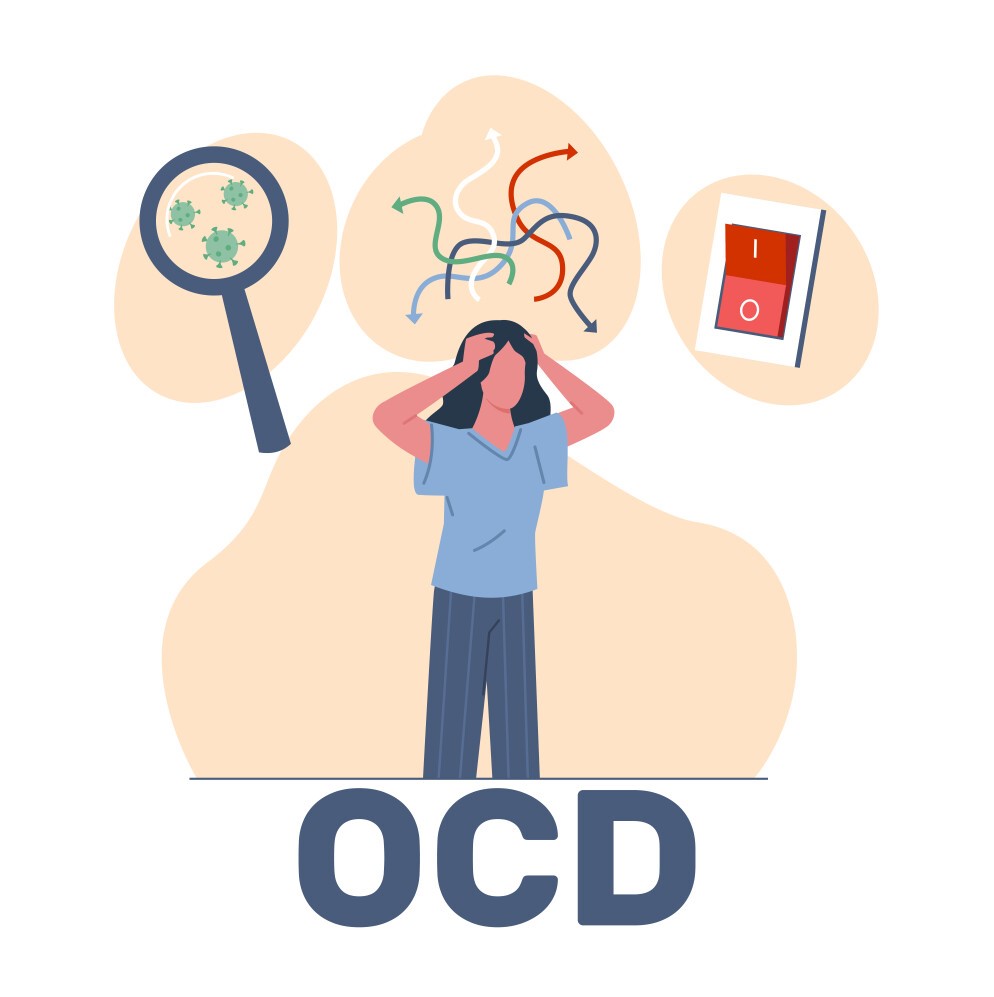
These disorders are characterized by obsessions (intrusive, unwanted thoughts, images, or urges) and/or compulsions (repetitive behaviours or mental acts performed to reduce anxiety). They include:
- Obsessive-Compulsive Disorder (OCD)
- Body Dysmorphic Disorder (BDD)
- Hoarding Disorder
- Trichotillomania (Hair-Pulling Disorder)
- Excoriation (Skin-Picking) Disorder
Common Symptoms
Obsessive-Compulsive Disorder (OCD)
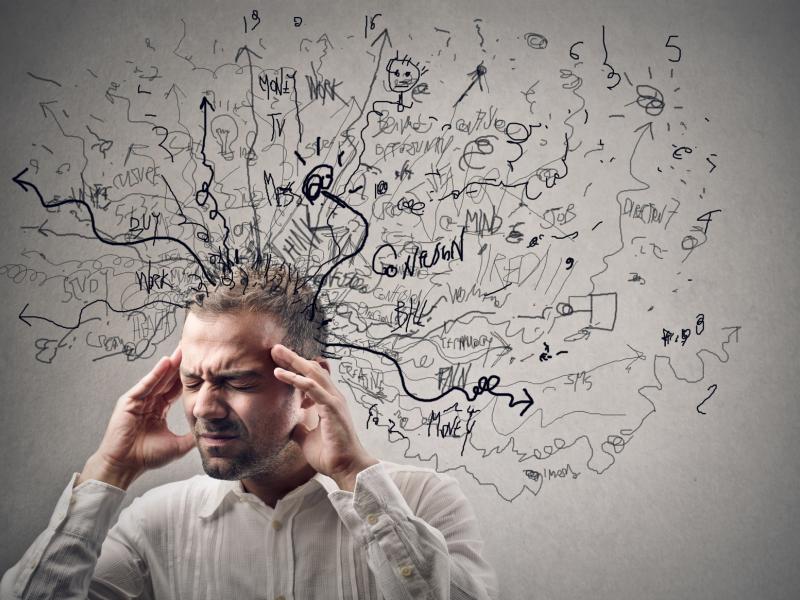
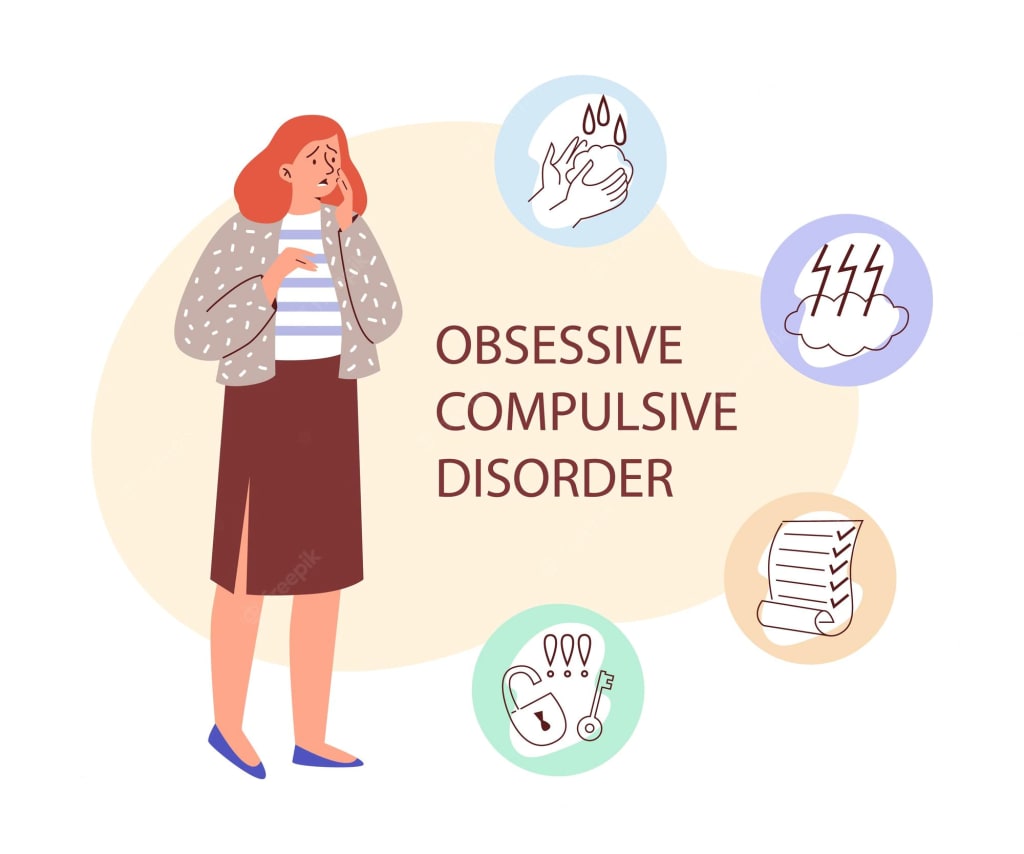
- Obsessions: Recurrent, distressing thoughts or urges (e.g., fear of contamination, harming others, or making mistakes)
- Compulsions: Repetitive behaviours or mental rituals (e.g., handwashing, checking, counting, repeating words)
- These behaviours are time-consuming and interfere with work, school, or relationships
Body Dysmorphic Disorder (BDD)
- Preoccupation with perceived flaws in appearance
- Excessive grooming, mirror checking, or seeking cosmetic procedures
Hoarding Disorder
- Difficulty discarding possessions, leading to clutter
- Distress or impairment in living spaces and daily functioning
Trichotillomania (Hair-Pulling Disorder)
- Recurrent pulling out of hair, causing noticeable hair loss
- May be triggered by stress or tension
Excoriation (Skin-Picking) Disorder
- Recurrent picking at skin, leading to sores or scarring
- Often associated with tension relief or anxiety reduction

How It Presents?
- Symptoms often begin in childhood, adolescence, or early adulthood
- Individuals may be aware that their thoughts or behaviours are excessive, but feel unable to control them
- Daily functioning, social relationships, work, or school can be significantly affected
- Anxiety and distress are common, especially when compulsions are resisted
Causes and Risk Factors
Obsessive-Compulsive and Related Disorders result from biological, genetic, and environmental factors:
- Brain chemistry and structure: Abnormalities in circuits that regulate fear, anxiety, and habit formation
- Genetic factors: Family history increases risk
- Environmental factors: Stressful life events, trauma, or learned behaviours may contribute
How They Are Managed
These disorders are treatable, and recovery is possible. Management includes:
Psychological therapies
- Cognitive Behavioural Therapy (CBT), especially Exposure and Response Prevention (ERP) for OCD
- Habit reversal therapy for hair-pulling or skin-picking disorders
- Psychoeducation for patients and families
Medications
- Selective Serotonin Reuptake Inhibitors (SSRIs) are commonly used for OCD, BDD, and related disorders
- Medication can reduce anxiety and compulsive urges
Lifestyle and Support
- Regular sleep, exercise, and stress management
- Support from family, friends, or peer groups
- Avoiding alcohol or recreational drugs that may worsen symptoms
Multidisciplinary Approach
- Collaboration between psychiatrists, psychologists, occupational therapists, and other professionals
When to Seek Help
Seek professional help if:
- Intrusive thoughts, urges, or images cause distress or are difficult to control
- Compulsive behaviours take up significant time or interfere with daily life
- Anxiety, depression, or relationship problems develop as a result
- Safety concerns arise (e.g., self-harm or neglect due to compulsive behaviours)
Early intervention improves outcomes and quality of life.
Where to Get Help in South Africa
SADAG (South African Depression and Anxiety Group)
- 0800 21 22 23 (24 hrs)
- WhatsApp: 087 163 2030
- www.sadag.org
Lifeline
- 0861 322 322
Emergency Services
- Call 112 (from any cellphone) or go to the nearest hospital emergency unit