Understanding Schizophrenia and Related Psychotic
Disorders
Schizophrenia and related psychotic disorders are mental health conditions that affect a person’s thoughts, perceptions, emotions, and behaviour. They can make it difficult to tell what is real and what is not, and often affect daily functioning, relationships, and work or school life. These are medical illnesses, not the result of personal weakness, and with proper treatment, many people can manage symptoms and live fulfilling lives.

What is Schizophrenia?
Schizophrenia is a long-term condition that involves disruptions in thinking, perception, emotions, and behaviour. People may experience psychotic episodes — times when they lose touch with reality. Related disorders include schizoaffective disorder, brief psychotic disorder, and schizophreniform disorder, which share symptoms but differ in duration and impact.

Common Symptoms
Positive Symptoms
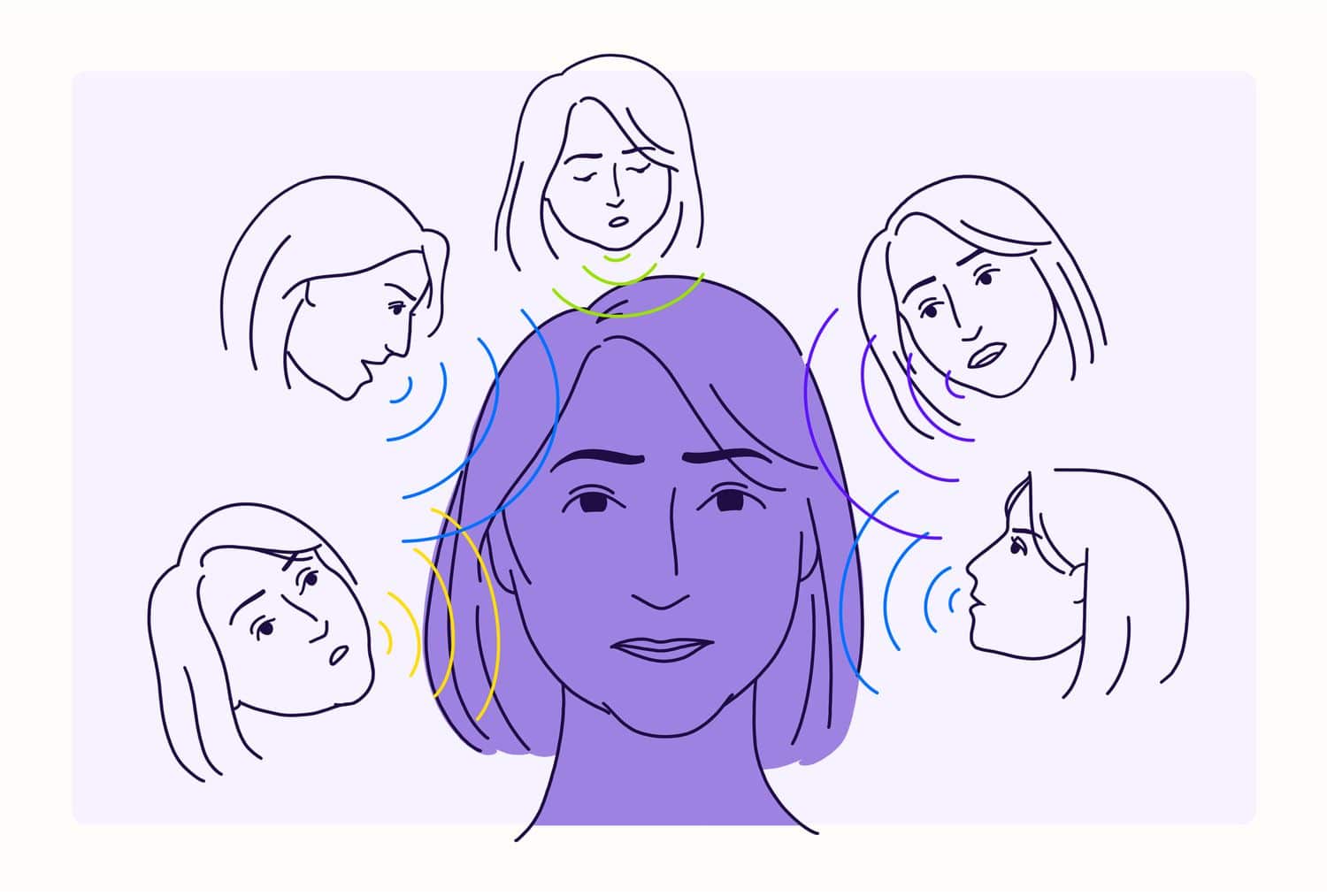
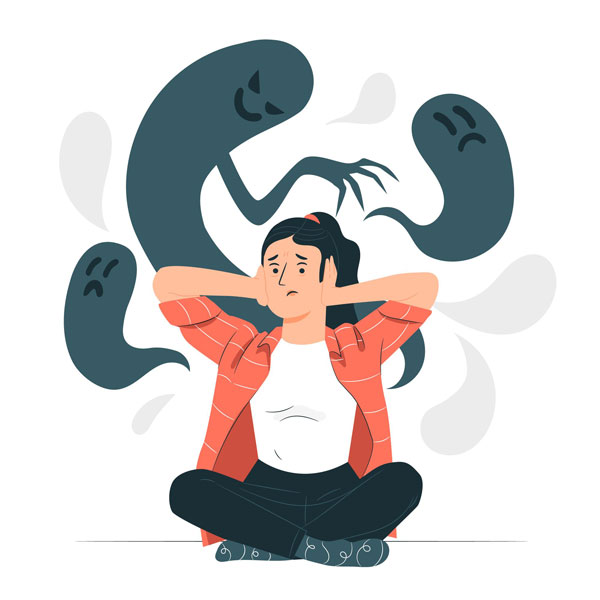
- Hallucinations (hearing, seeing, or feeling things that aren’t there)
- Delusions (fixed false beliefs)
- Disorganized thinking or speech
- Agitated or abnormal motor behaviour
Negative Symptoms
- Reduced ability to experience pleasure or emotion
- Lack of motivation or energy
- Social withdrawal
- Difficulty planning, organizing, or completing tasks
Cognitive Symptoms
- Trouble focusing or paying attention
- Poor memory
- Difficulty making decisions
How It Presents?
Schizophrenia often begins in late teens to early 30s, sometimes earlier in men than women. Symptoms may come on gradually or suddenly. Affected individuals may struggle with work, school, or relationships. Episodes of psychosis may alternate with periods of less severe symptoms. Some may not be aware that they are experiencing a disorder.
Causes and Risk Factors
Schizophrenia is caused by a combination of biological, genetic, and environmental factors:
- Brain chemistry and structure: Imbalances in neurotransmitters (dopamine, glutamate) and subtle structural differences in the brain
- Genetic factors: Family history increases risk
- Environmental stressors: Trauma, infections before birth, or stressful life events can trigger episodes
How They Are Managed
Schizophrenia is treatable, though long-term management is usually needed. Management
includes:
Medications
- Antipsychotics reduce hallucinations, delusions, and disorganized thinking
Psychosocial interventions
- Cognitive Behavioural Therapy (CBT), psychoeducation, social
skills training, supported employment, and community rehabilitation
Lifestyle and support
- Regular routines, healthy sleep, stress reduction, avoiding alcohol and
recreational drugs, family or peer support
Hospitalization
- May be required for severe psychotic episodes, risk of harm, or medication
stabilization
When to Seek Help
Seek help if you or someone you know experiences hallucinations, delusions, disorganized
thinking, unusual behaviour, social withdrawal, lack of motivation, or difficulty caring for oneself. Early treatment improves outcomes and helps maintain functioning.
Where to Get Help in South Africa
SADAG (South African Depression and Anxiety Group)
- 0800 21 22 23 (24 hrs)
- WhatsApp: 087 163 2030
- www.sadag.org
Lifeline
- 0861 322 322
Paediatric or psychiatric services
- Paediatric or psychiatric services at local hospitals or private practices