Understanding Substance-Related and Addictive Disorders
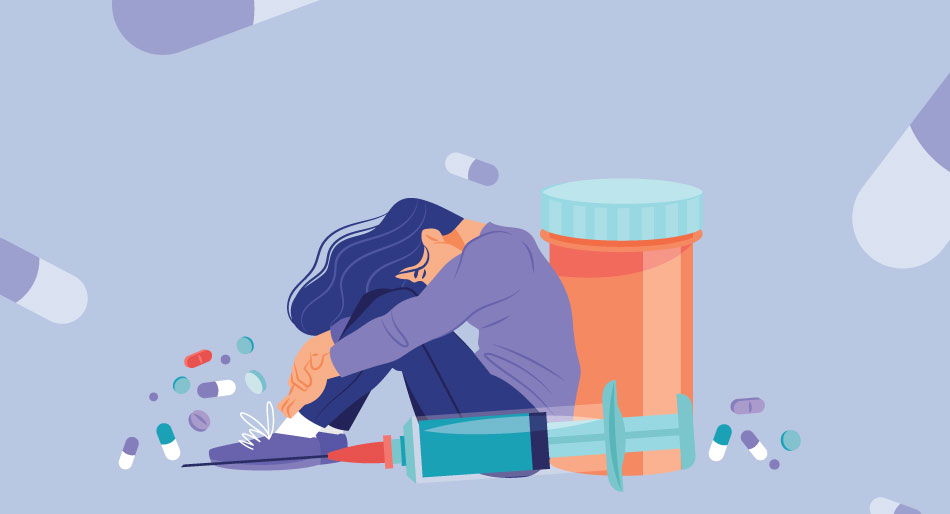
Substance-Related and Addictive Disorders involve the use of substances or engagement in addictive behaviours that significantly affect health, relationships, work, or daily life. These are medical conditions, not signs of weakness or moral failure. With proper treatment and support, recovery is possible.
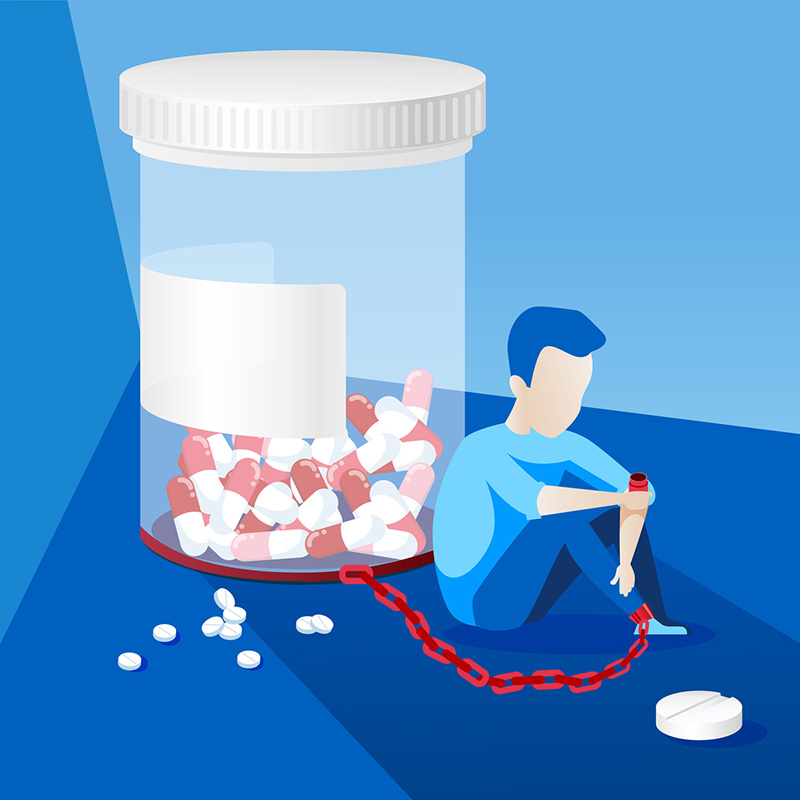
What Are Substance-Related and Addictive Disorders?
These disorders include problems related to the use of alcohol, drugs, or behaviours that are addictive. They are grouped as:
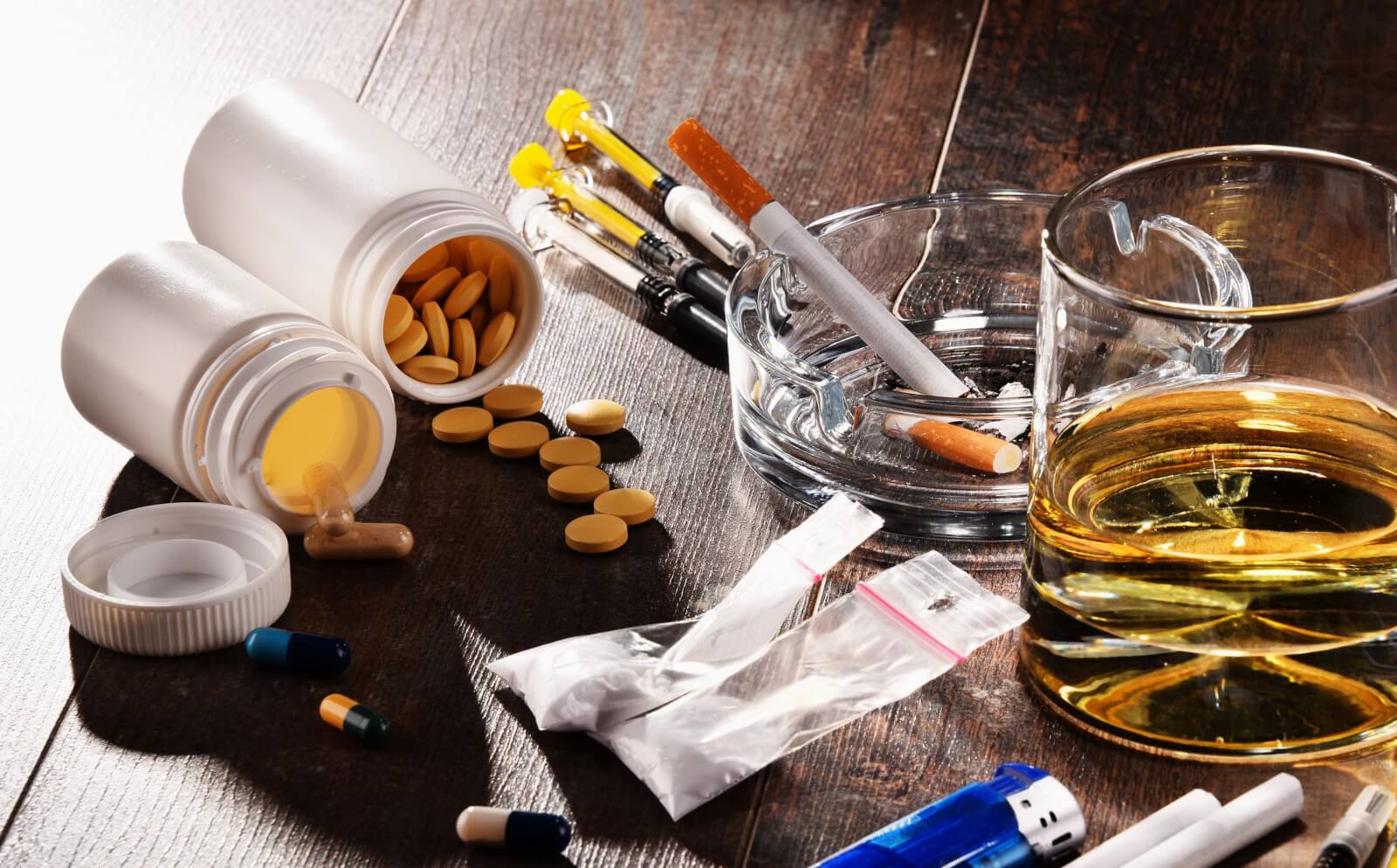
- Substance Use Disorders: Alcohol, cannabis, opioids, stimulants, sedatives, tobacco, etc.
- Substance-Induced Disorders: Intoxication, withdrawal, or mental disorders caused by substance use
- Non-Substance-Related Addictive Disorders: Gambling disorder is the primary example
Common Symptoms
Substance Use Disorders
- Craving or strong desire to use the substance
- Using more than intended or for longer than intended
- Difficulty controlling use despite negative consequences
- Physical dependence (tolerance and withdrawal symptoms)
- Neglect of work, school, or family responsibilities
Substance-Induced Disorders
- Changes in mood, thinking, or behaviour directly caused by substance use
- Withdrawal symptoms such as tremors, nausea, sweating, or agitation
- Intoxication signs such as impaired coordination, slurred speech, or altered consciousness
Addictive Behaviours (e.g., Gambling Disorder)
- Inability to control the behaviour
- Preoccupation with the activity
- Continuing despite negative consequences to finances, relationships, or work
How It Presents?
- Symptoms can appear gradually or suddenly depending on the substance or behaviour
- Individuals may hide use due to shame, stigma, or fear of consequences
- Relationships, employment, education, and health are often affected
- Co-occurring mental health conditions like depression, anxiety, or personality disorders are common
Causes and Risk Factors
Substance-Related and Addictive Disorders arise from a combination of biological, psychological, and social factors:
- Genetic predisposition: Family history of substance use or addictive disorders
- Brain chemistry and reward systems: Changes in neurotransmitters like dopamine
- Psychological factors: Stress, trauma, or mental health conditions
- Environmental factors: Peer influence, availability of substances, social pressures
How They Are Managed
These disorders are treatable, and recovery is possible with a combination of interventions:
Psychological Therapies
- Cognitive Behavioural Therapy (CBT)
- Motivational interviewing
- Contingency management
- Family therapy and support groups
Medications
- For withdrawal symptoms (e.g., benzodiazepines for alcohol withdrawal)
- To reduce cravings or prevent relapse (e.g., methadone, naltrexone, acamprosate)
Lifestyle and Support
- Healthy routines, stress management, exercise, and social support
- Avoiding triggers and high-risk situations
- Participation in peer support or 12-step programs
Multidisciplinary Approach
- Collaboration between psychiatrists, psychologists, social workers, and addiction specialists
When to Seek Help
Seek professional help if:
- Substance use or addictive behaviour interferes with daily life
- Attempts to cut down or stop are unsuccessful
- Withdrawal or cravings occur when trying to reduce use
- Physical or mental health problems arise from substance use
- Safety concerns occur, such as overdose risk or neglect of responsibilities
Early intervention improves recovery and prevents complications.
Where to Get Help in South Africa
SADAG (South African Depression and Anxiety Group)
- 0800 21 22 23 (24 hrs)
- WhatsApp: 087 163 2030
- www.sadag.org
Lifeline
- 0861 322 322
Emergency Services
- Call 112 (from any cellphone) or go to the nearest hospital emergency unit